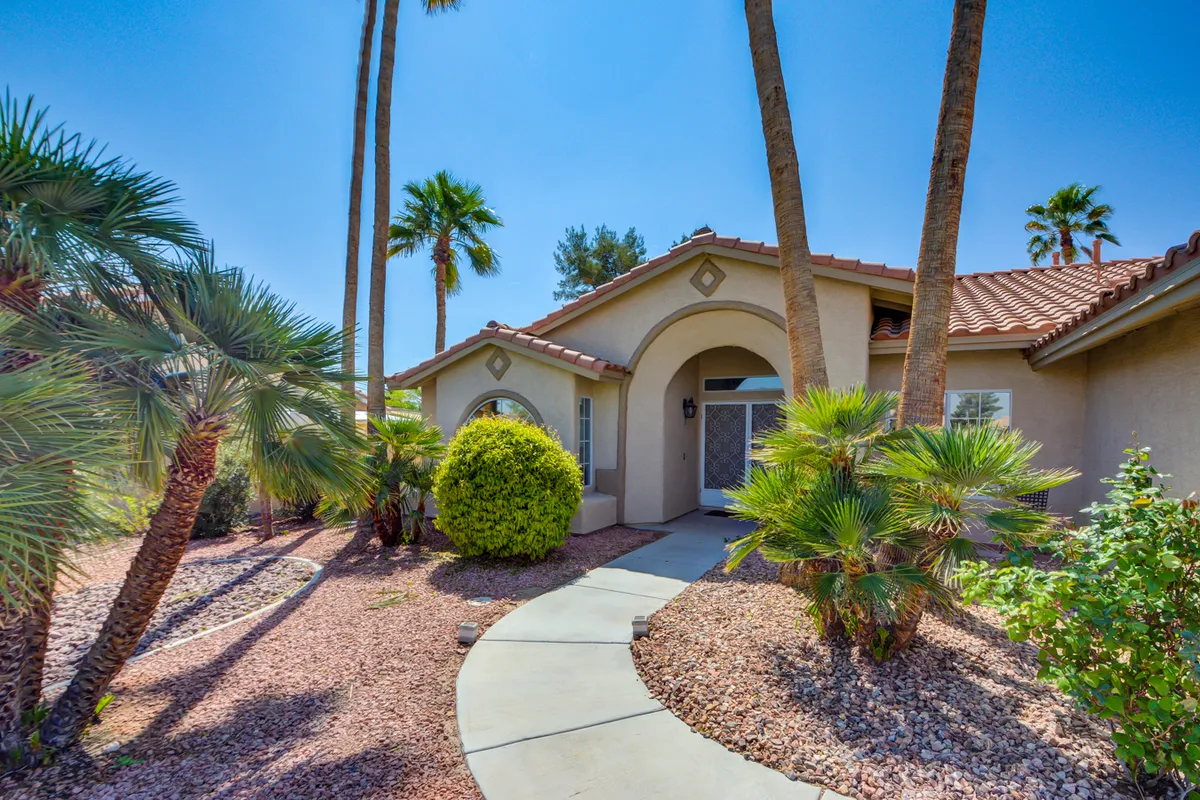
How to Sell a House in Probate in Nevada: A Step-by-Step Guide for Las Vegas Executors
How to Sell a House in Probate in Nevada: A Step-by-Step Guide for Las Vegas Executors
Can you sell a house during probate in Las Vegas? Yes. Once the court appoints a personal representative, the estate can list and sell the home in Las Vegas, usually with court confirmation of the sale.
If you've just been named executor of a loved one's estate, the house is probably the biggest asset and the biggest question. It may be sitting empty, the bills are still coming, and family members are asking what happens next.
The good news: Nevada has a clear process for selling real estate in probate, and thousands of Las Vegas families go through it every year. This guide walks you through each step, from getting legal authority to closing escrow, so you know what to expect and where the delays usually hide.
Step 1: Get appointed as personal representative
Nobody can sell the house until the court gives someone authority to act for the estate. That person is the personal representative, called an executor when named in a will and an administrator when there is no will.
In Clark County, a probate attorney files a petition with the Eighth Judicial District Court. Once the judge approves it, the court issues Letters Testamentary (with a will) or Letters of Administration (without one). Those letters are what title companies and buyers need to see.
Step 2: Know which type of probate you're in
Nevada has several paths, and the path affects how the sale works. Per the Clark County courts' probate synopsis:
Summary administration: estates up to $500,000 (gross value after encumbrances), if the court orders it
General administration: estates over $500,000
Independent administration: a track with less court involvement. With full independent authority, a personal representative can sell real property without court approval.
Your attorney will tell you which applies. It matters because it decides whether your sale needs a confirmation hearing.
Step 3: Secure the property and get a value
Before listing, protect the asset. Change the locks, keep the utilities on, and make sure the home stays insured. A vacant home with a lapsed policy is one of the most expensive mistakes an estate can make.
Next, get an accurate value. In general administration, Nevada requires the property to have been appraised within one year before the sale, and the court must be satisfied the price reflects fair market value (NRS 148.260). A probate-experienced agent can also prepare a market analysis so you price it right from day one.
Step 4: Prepare the home and decide on a strategy
This is where you choose between two goals, and it helps to decide early:
Speed: sell as-is, often to a cash buyer, so funds reach the heirs quickly and carrying costs stop.
Maximum price: clean out, make targeted repairs, and market to the full buyer pool.
Neither is wrong. The right answer depends on the condition of the home, the estate's cash needs, and what the heirs agree on.
Step 5: List, market, and accept an offer
The home is listed and marketed like any other, with one difference: buyers and their agents need to understand the sale is subject to probate rules. Clear disclosures up front prevent surprises later. In general administration, the notice of sale is typically published three times over two weeks unless it's waived, for example when the property was publicly listed for at least 30 days (Clark County synopsis).
Step 6: Court confirmation and possible overbids
When court confirmation is required, the attorney petitions the court to approve the accepted offer, generally within 30 days of the sale. At the hearing, other buyers can overbid. Under NRS 148.270, a new bid must beat the accepted price by at least 5% if the bid is $100,000 or less, or by at least $5,000 if the bid is $100,000 or more.
If no qualifying overbid comes in, the judge confirms the original buyer. The certified confirmation order is then recorded, and escrow can close.
Step 7: Close escrow and distribute proceeds
After confirmation, closing works much like a normal sale. Proceeds go into the estate account. They are not paid directly to heirs, and they are distributed only when the court or the probate process allows.
Common mistakes that delay Las Vegas probate sales
Listing before the personal representative has letters
Letting insurance or utilities lapse on a vacant home
Pricing on emotion instead of comparable sales
Heirs who aren't on the same page about selling
Working with an agent who has never handled a confirmation hearing
FAQ
How long does it take to sell a probate house in Nevada? It depends on the type of probate and whether court confirmation is needed. A sale with confirmation commonly adds several weeks for the hearing, on top of normal marketing and escrow time.
Can heirs live in the house during probate? Sometimes, but the personal representative has a duty to protect the asset for all beneficiaries. Any occupancy arrangement should be discussed with the probate attorney.
Do I need a special real estate agent for a probate sale? It isn't required, but probate sales have extra steps such as court timelines, overbid rules, and confirmation orders. An agent who has done them before helps you avoid delays.
Talk to a Las Vegas probate specialist
If you're navigating a probate sale in Las Vegas, Henderson, or North Las Vegas, you don't have to figure it out alone. Book a free consultation with Mario Joyner, REALTOR® and Certified Probate Real Estate Specialist with Coldwell Banker Premier Realty. Call or text 702-763-2966.
This is not legal advice. Consult a probate attorney for guidance on your specific situation.